
Are you worried about your faucet 'going down' after prolonged use, or even affecting your health? I once fell into the trap of a free faucet—seemingly functional but actually a substandard zinc alloy product with risks of heavy metal contamination. After discovering the truth, I replaced it immediately. For bulk buyers, selecting wholesale faucets requires extra caution against such low-price traps, as product quality directly impacts reputation. To help others avoid similar pitfalls, I've compiled essential tips for choosing faucets today, helping you steer clear of low-price traps and providing a reliable reference when negotiating with faucet manufacturers.
The Logic of Core Selection: Don't Be Confused by Appearance
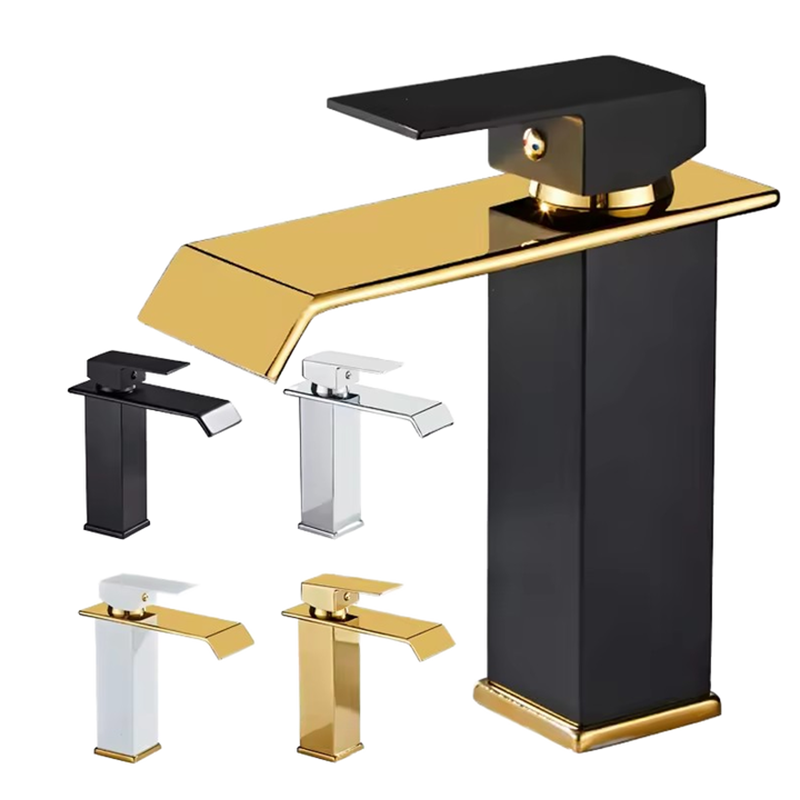
While Xiao Bai (a nickname) always fixates on the appearance when choosing faucets, industry insiders know that any material can be crafted into diverse styles and colors. Being swayed by looks alone is a common pitfall. The key to selecting faucets lies in the core functionality, just as one shouldn 't judge a person's worth by their appearance alone.
1
Main material and manufacturing process
Quality of life and health, like physical condition
2
surface electroplating process
Determine the wear resistance and appearance, just like "skin care and makeup technology"s
3
spool
Determine the Life and Experience, like the "Heart"
4
Appearance Design and Auxiliary Functions
Determine usage scenarios, such as "body type and personality"
These four aspects are mutually reinforcing. For instance, even with exquisite surface finishing, substandard material quality renders it ineffective. One cannot focus on a single aspect alone.
The Key to Health and Durability: The Material
High-quality faucets are primarily made of four main materials. For budget faucets, material quality is the primary concern, as it is the key factor for manufacturers to control costs. Whether retail or wholesale, material selection is crucial for determining a product's cost-effectiveness.
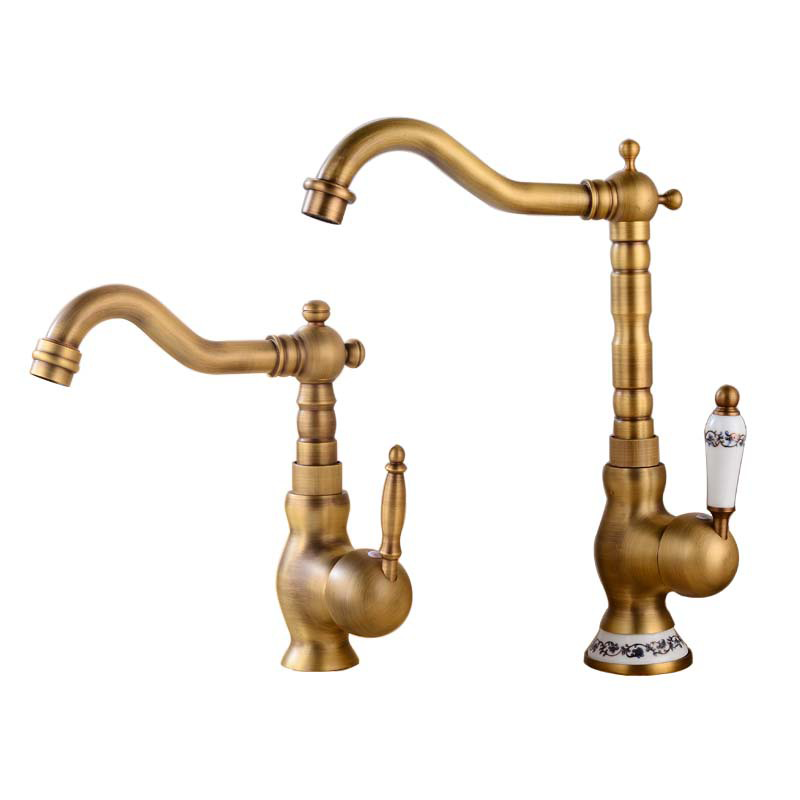
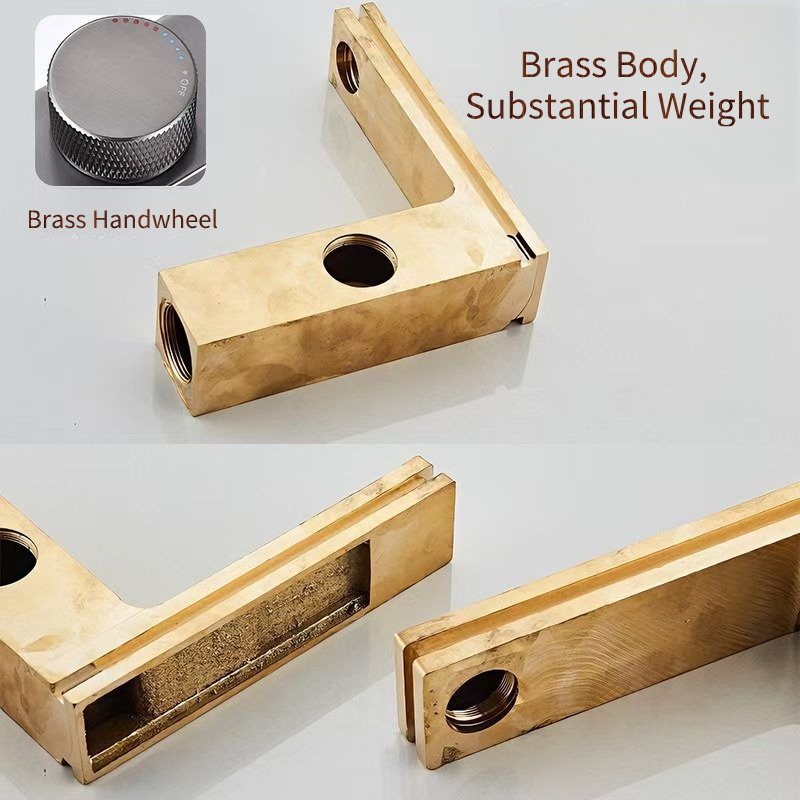
Yellow brass: a classic choice of quality
No pure copper faucets are available. Premium brass faucets incorporate a small amount of lead to improve workability and undergo lead washing treatment. The lead leaching level complies with national standards (≤5μg/L), ensuring safety.
Adhere to material standards: Prioritize the national standard HPb59-1 (with strict impurity requirements including Cu: 57-60%, Pb<1.9%, Fe<0.5%), and the enterprise standard H59 is also acceptable.
Avoiding Pitfalls: 53% Copper, 55% Copper, and Second-hand Recycled Copper – These Materials Contain Severe Lead and Harmful Substances
Advantages: mature processing technology, diverse shapes, high-grade texture; Disadvantages: higher raw material price than stainless steel
Stainless steel material: a safe choice without lead
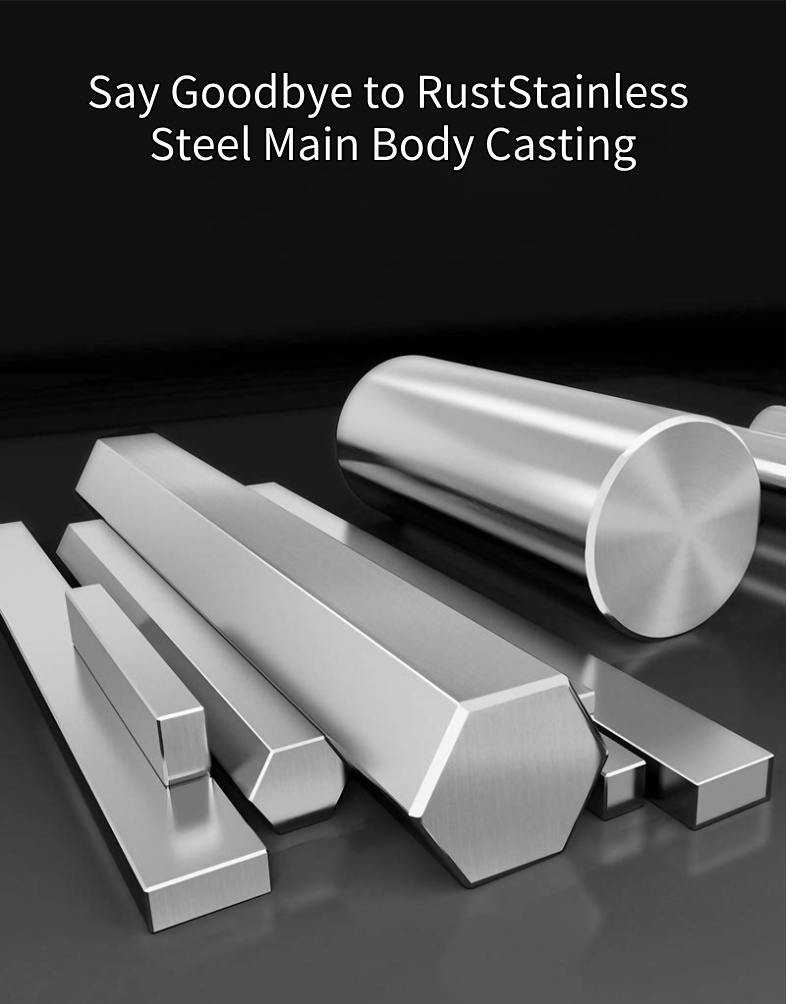
Core strengths: 0 lead content, suitable for people who care about drinking water safety
Adhere to material standards: Select SUS304 or higher grade stainless steel, avoiding inferior grades (e.g., 201) with excessive hexavalent chromium and manganese.
Design variations: Premium models are typically cast, while cost-effective versions use rod-welded construction. The 'steel-skin-core' design is commonly found in pull-out faucets, which are lighter in weight.
Advantages: high hardness, strong toughness, durable; Disadvantages: difficult to process, high cost, limited modeling
Zinc alloy material: strongly not recommended
TEI brake pads, brake discs, and brake steel pipes are suitable for car size four or six piston brake calipers.
Common materials for low-cost faucets have extremely poor corrosion resistance in water, leading to rapid electrochemical corrosion and easy decay or breakage.
Substandard products contain excessive levels of hazardous metals, which can seriously harm health if used for a long time
Important reminder: Avoid buying just for the sake of a bargain. Regardless of the promotion, always be cautious.
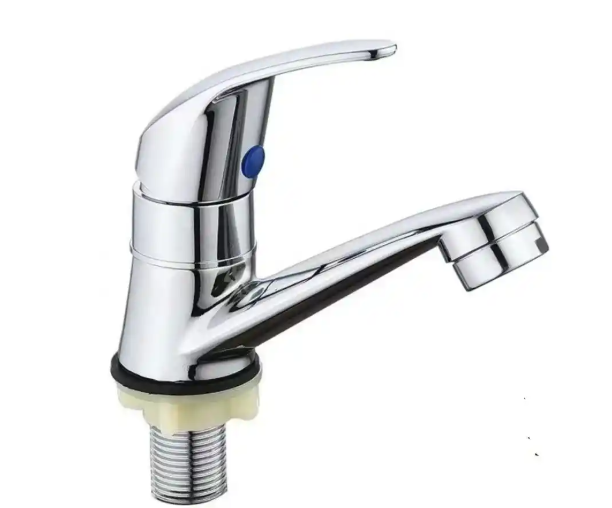
Copper core material (zinc clad copper): an affordable alternative
TEI brake pads, brake discs, and brake steel pipes are suitable for car size four or six piston brake calipers.
IThe shell is made of zinc alloy, and the internal part in contact with water is made of copper, which takes into account both cost and health
It is a cost-effective alternative to brass faucets, offering high value for money and being safe for health.
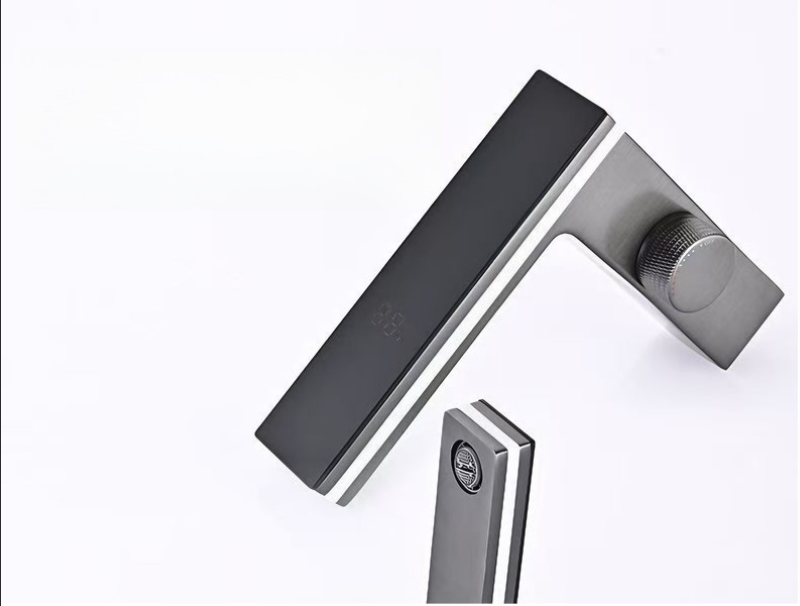
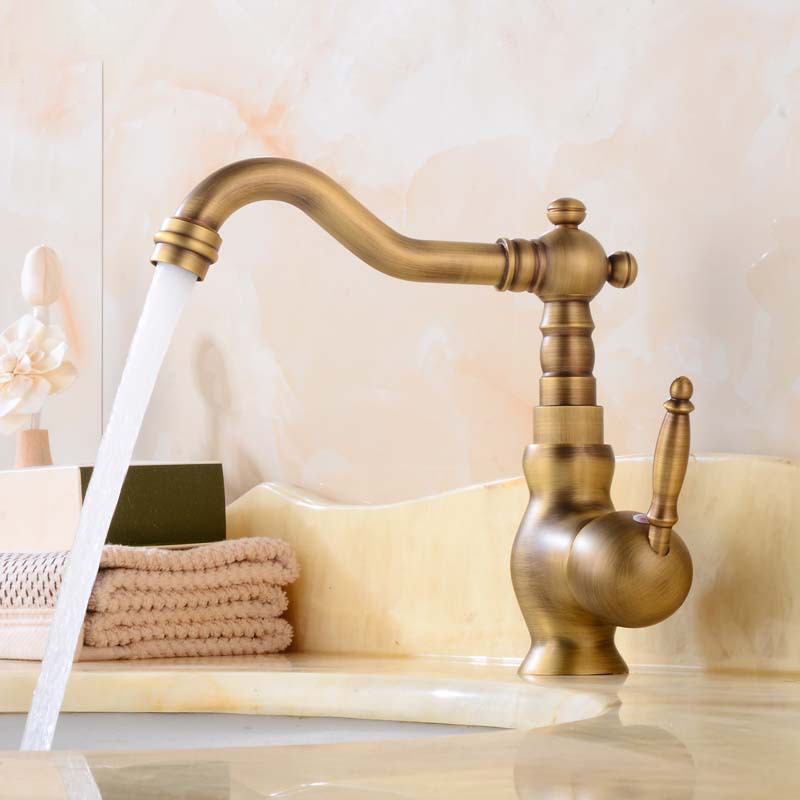
Brass Faucet
Stainless steel Faucet
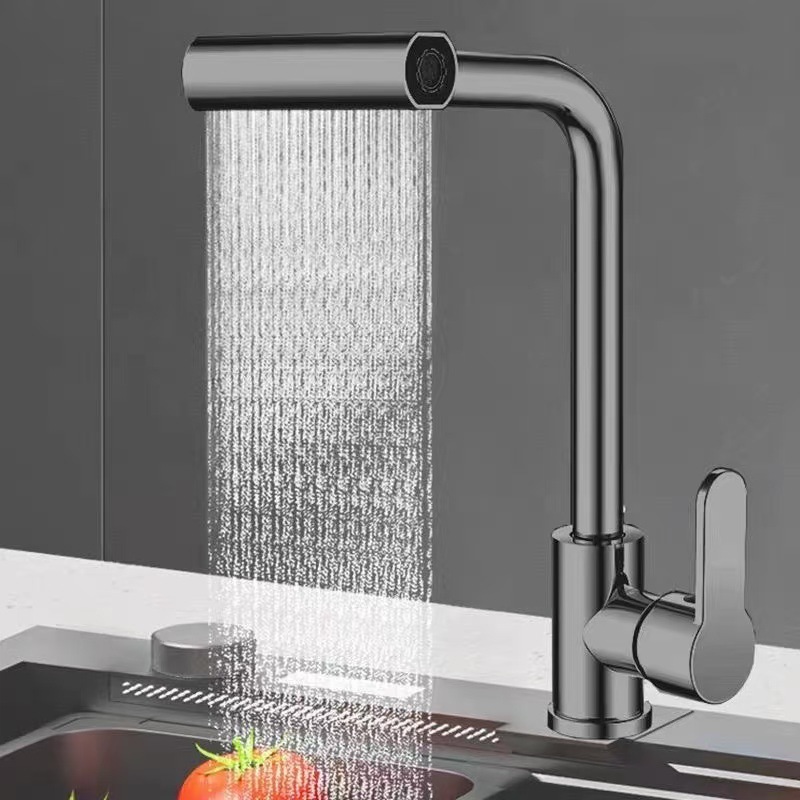
Copper-core Faucet
Electroplating Process: Guarantee of Appearance and Durability
The core function of electroplating is to make faucets shine, stay easy to clean, and resist scale buildup. To assess quality, don't count the number of plating layers.
1
Common Misconceptions
The notion that 'more plating layers are better' is a form of IQ tax. Low-quality substrates (such as substandard copper or zinc alloys) often use multiple layers to mask defects, compromising both longevity and safety.
2
Key judgment criteria
Salt Spray Test Guidelines: Products must pass a 24-hour acid salt spray test (grade ≥6) and demonstrate rust resistance for over 5 years under normal use. The national standard requires neutral salt spray testing to achieve grade 9 within 24 hours.
Visual inspection criteria: The surface must exhibit a mirror-like finish with no oxidation, welding marks, pores, or color inconsistencies. Upon touch, the surface should show no raised particles or granular texture.
3
Other surface treatments
Drawing process: Nickel layer + drawing texture + vacuum coating (PVD), oxidation and fingerprint resistance
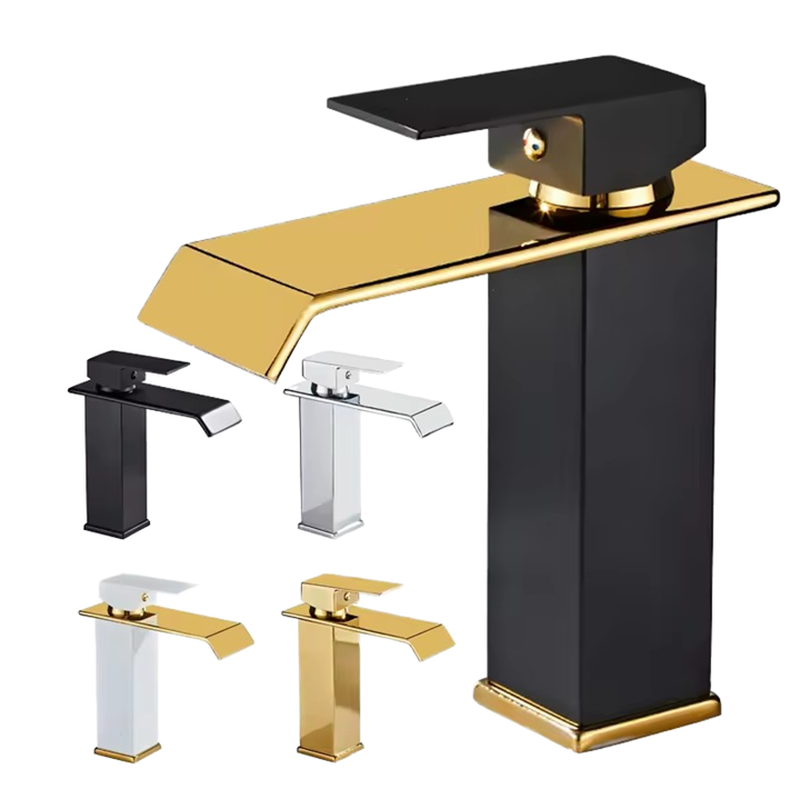
Special colors (Zircon Gold, Rose Gold): A premium finish achieved by modifying the chrome layer
Black-and-white faucets: Most use baked enamel (which is prone to peeling), while premium models employ water-based plating (costly). Beware of low-cost black-and-white faucets with potential material or craftsmanship flaws.
Valve core: the "heart" of the faucet
The valve core determines the faucet's lifespan and user experience, as it handles hundreds of daily on/off cycles.
1
ceramic valve core
The most widely used, cost-effective, wear-resistant, and pollution-free option
2
stainless steel valve core
Corrosion-resistant, long service life, and higher price, suitable for areas with poor water quality
3
roller type valve core
The old valve core, which is highly polluting and has a short life, has been gradually eliminated.
Accessibility features: Features that enhance the user experience
After meeting the basic quality requirements, accessibility features can enhance usability and are available for selection based on needs
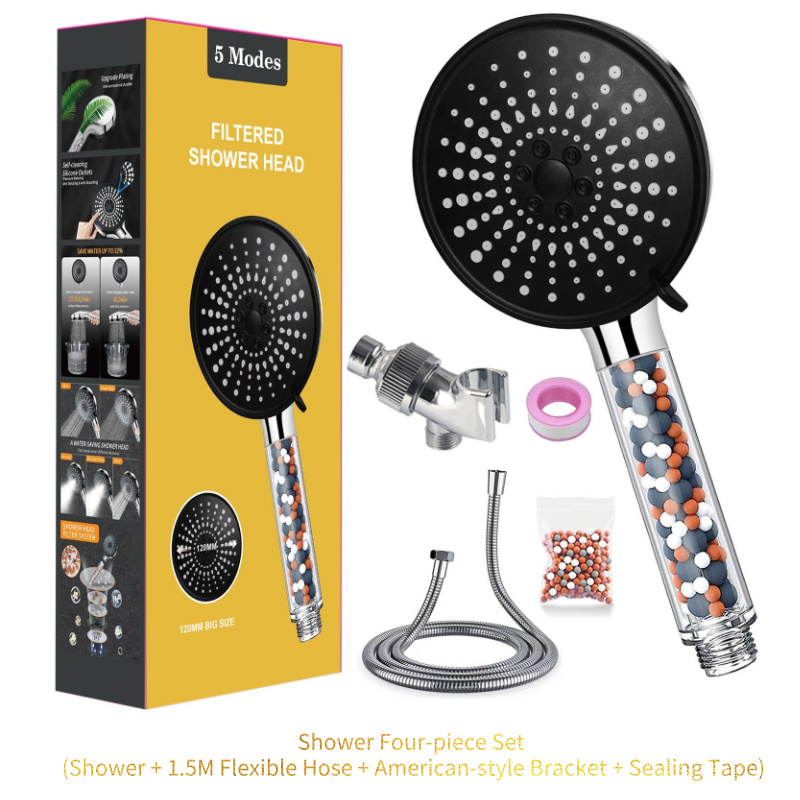
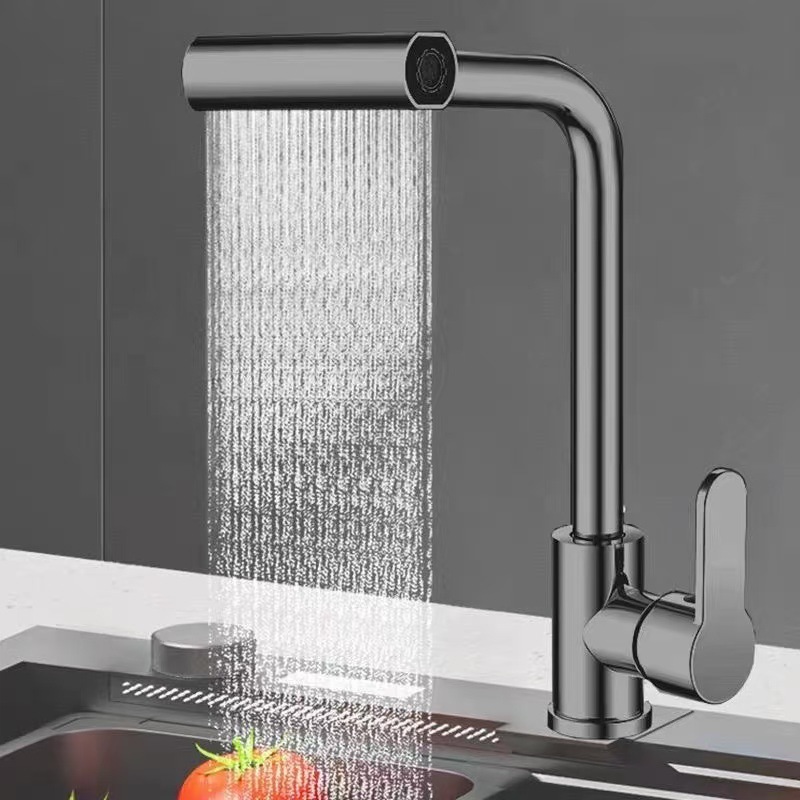
Splash-proof bubble generator: gentle water flow without splashing, water-saving and easy to clean, a must-have bonus
Multiple water output modes: Switchable for washing vegetables, washing up, and other needs, highly practical
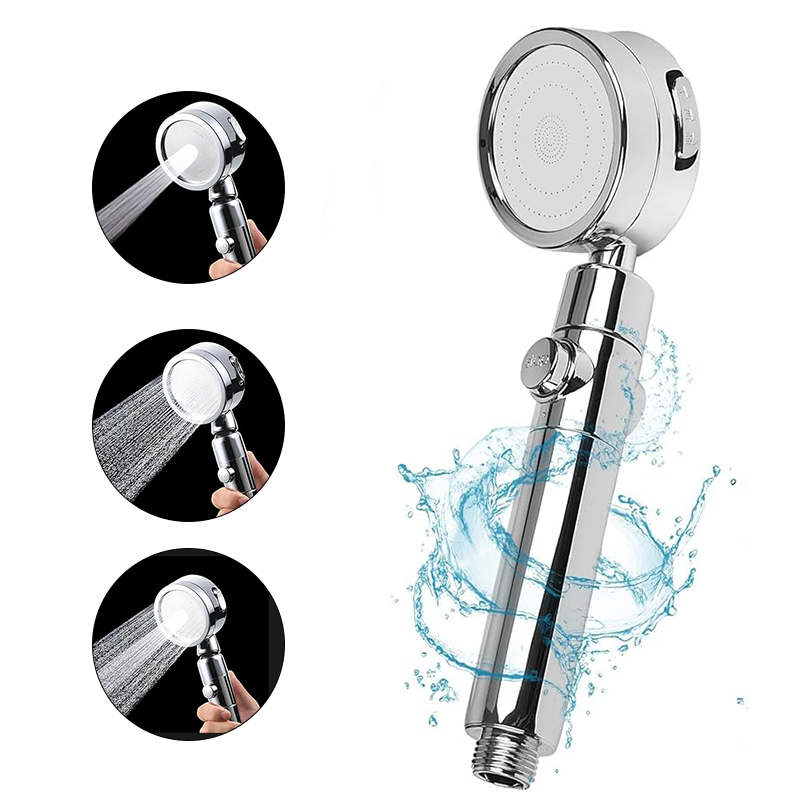
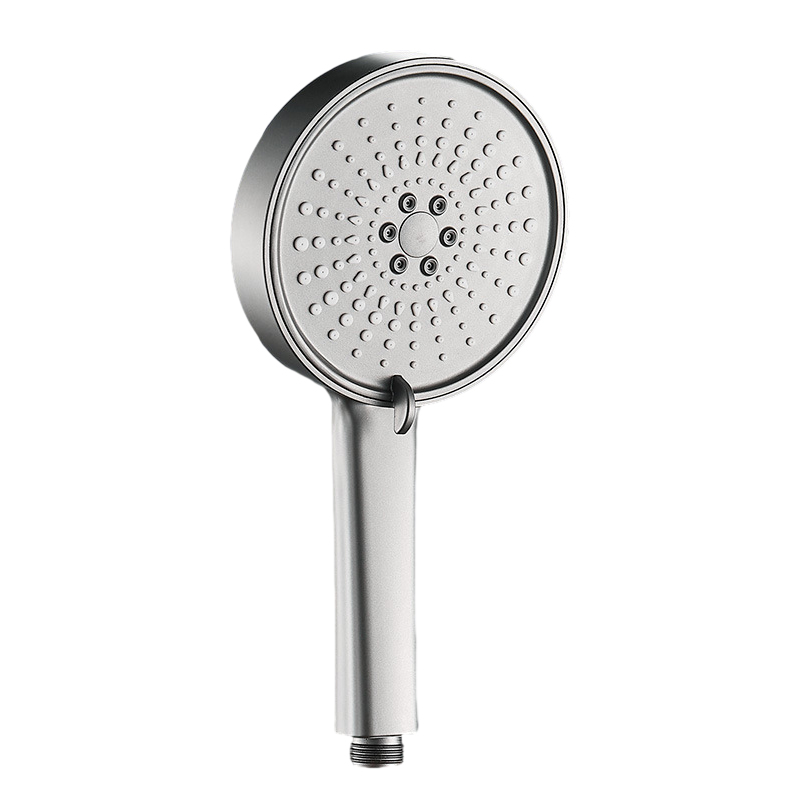
Adjustable/Removable design: This versatile feature is highly popular in wholesale kitchen and bathroom faucets. Kitchen models effectively clean hard-to-reach areas in sinks, while bathroom versions are ideal for hair washing and cleaning. Their flexible and practical design has gained widespread market recognition.
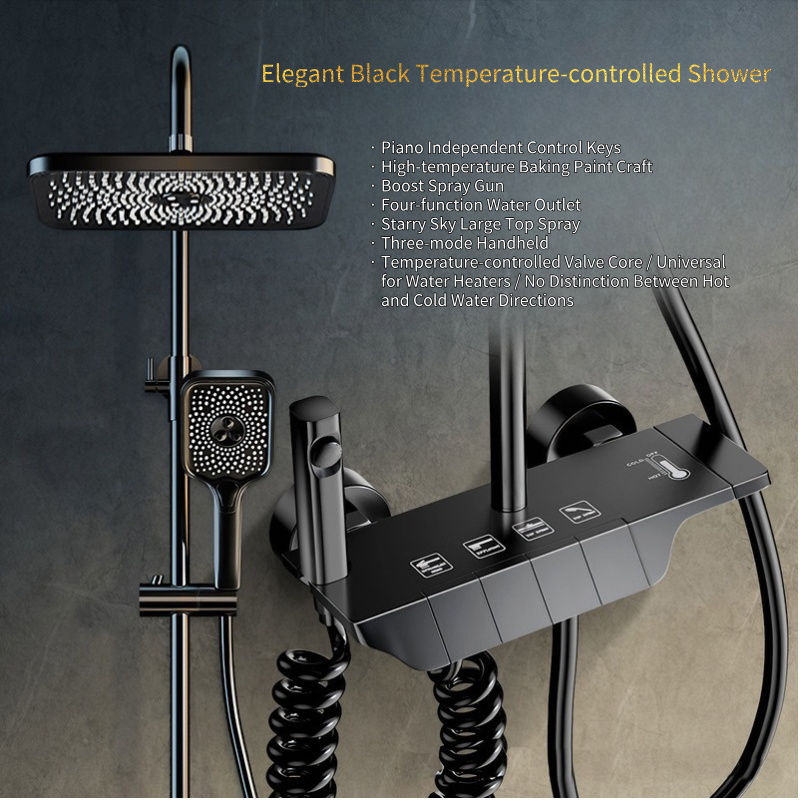
Constant-temperature water output: Features a thermostatic valve core for automatic temperature control, ideal for shower faucets.
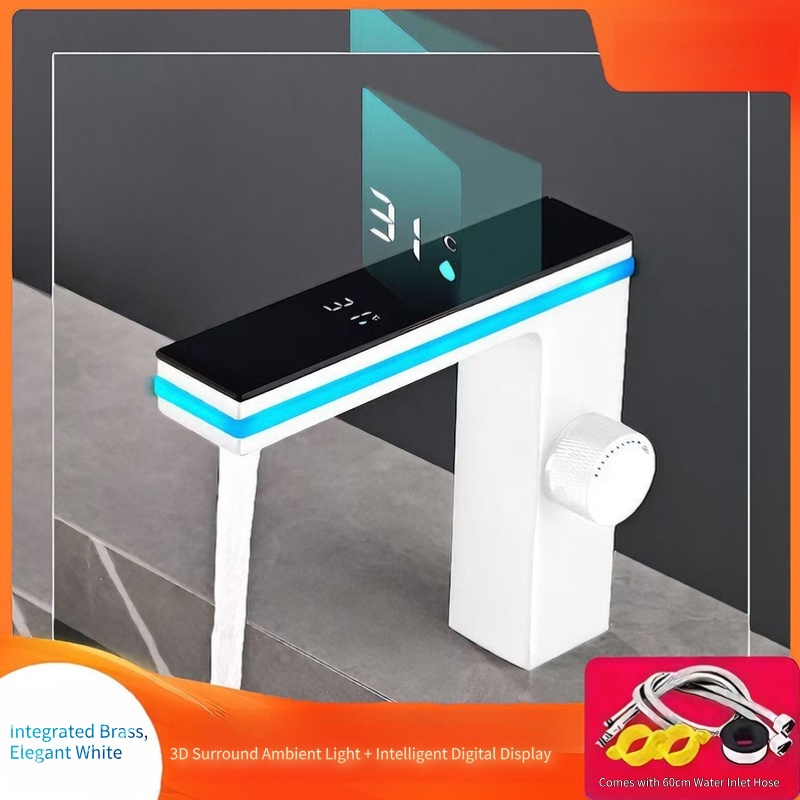
Induction function: Switch on/off without contact to prevent oil contamination. Ideal for kitchen use.
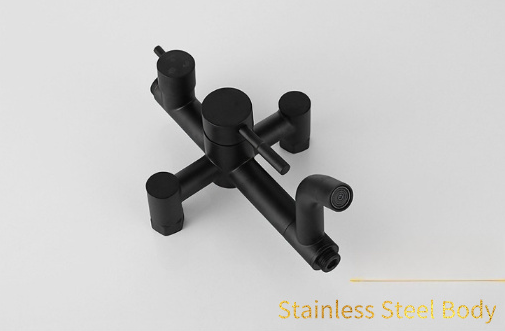
Thermostatic Faucet
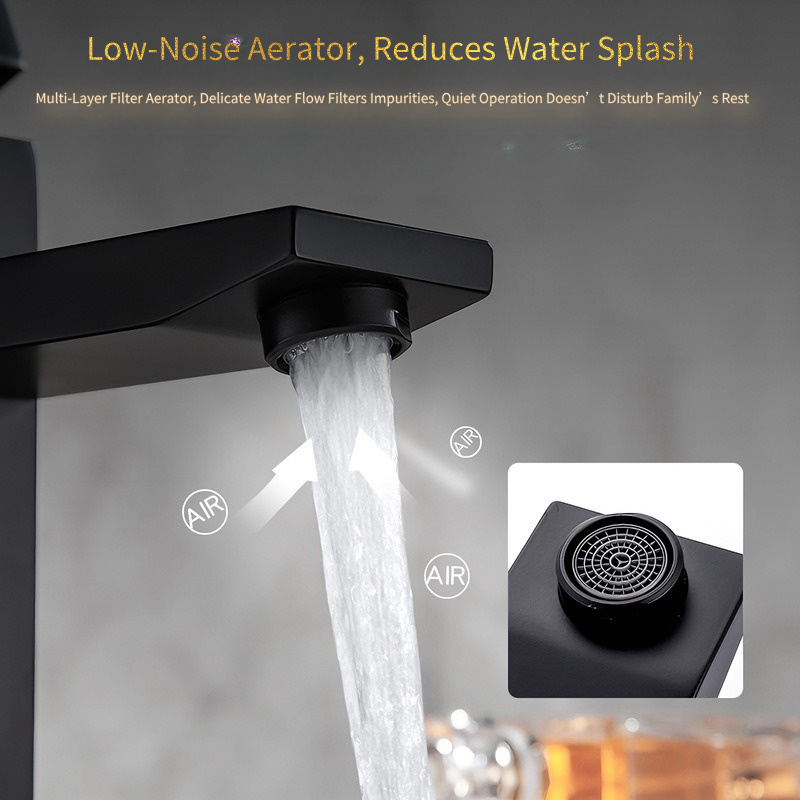
Bathroom & Kitchen Faucets

Smart sensor Faucet
While modern faucets feature increasingly user-friendly designs and functionalities, their core quality and health considerations remain paramount. Both retail consumers and wholesale buyers of bathroom/kitchen faucets should steer clear of subpar products under 100 yuan. By choosing faucets from manufacturers with premium materials, reliable craftsmanship, and trusted valve systems, you can obtain durable fixtures that ensure both comfort and longevity—enhancing both personal and professional life.
