
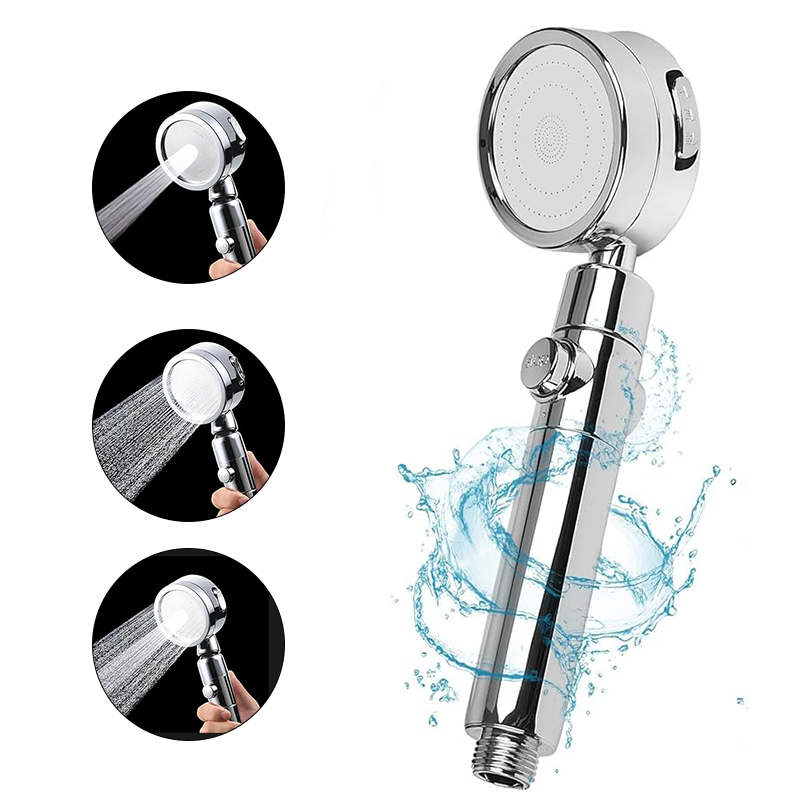
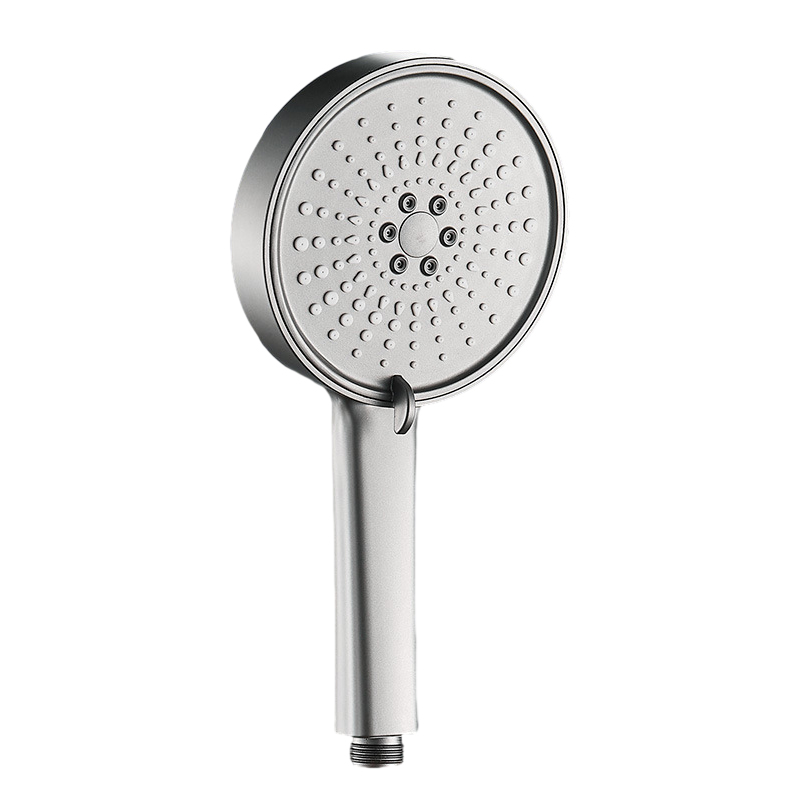
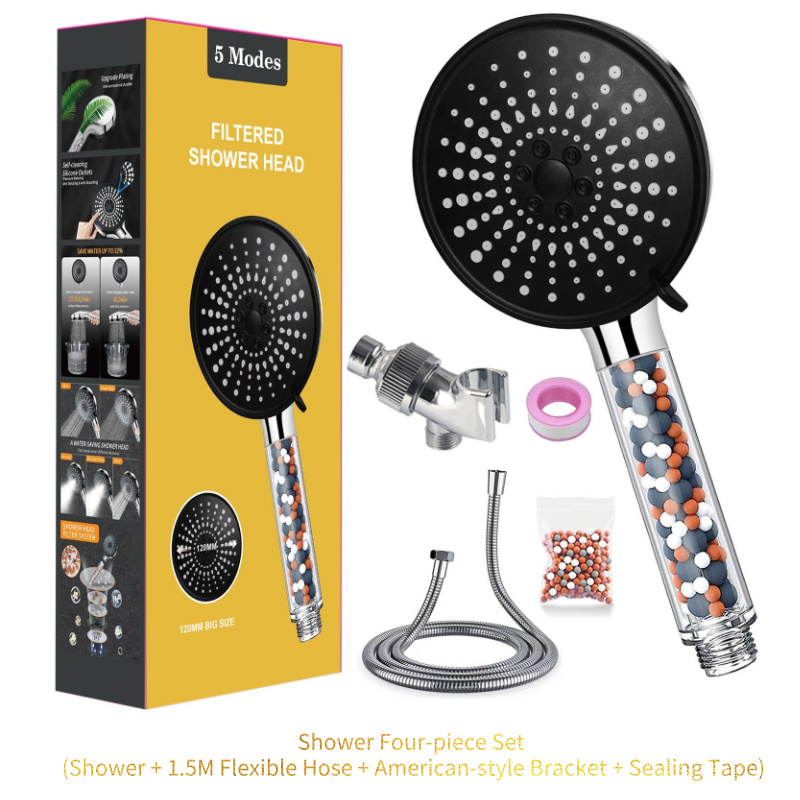

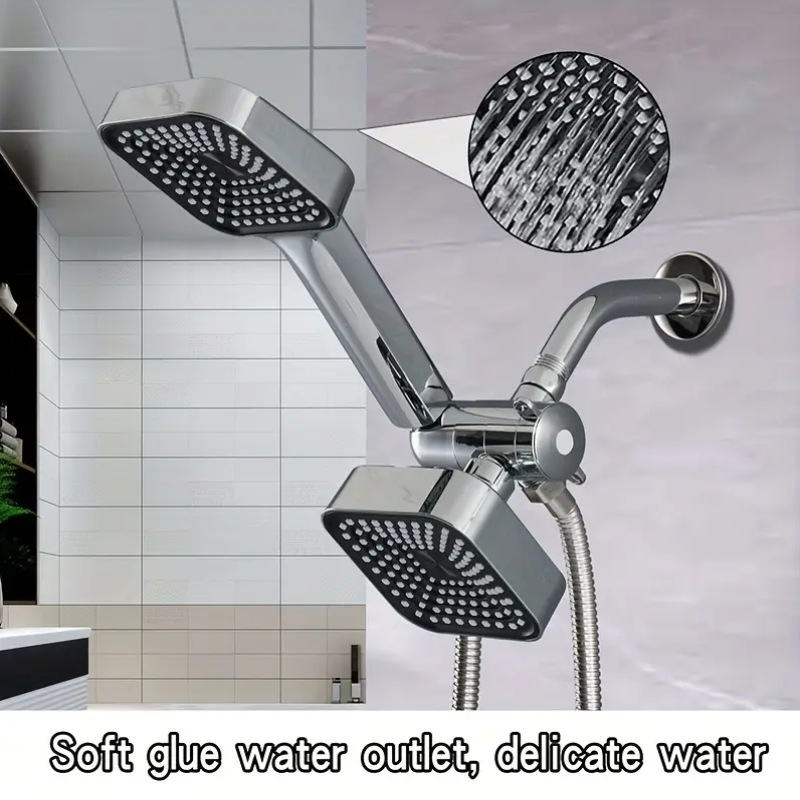
A handheld shower head is a popular bathroom fixture that offers flexibility and convenience for users of all ages. Whether you own a basic hand held shower or a powerful high pressure handheld shower head, regular maintenance is essential to ensure optimal performance and longevity. Over time, mineral deposits from hard water—such as calcium and limescale—can accumulate in the silicone nozzle holes, leading to reduced water flow, uneven spray patterns, and decreased pressure. Cleaning these silicone water outlet holes is a simple yet crucial task that can restore your hand held shower head to its original efficiency. This guide provides detailed, user-friendly steps to effectively clean your shower head while maintaining its functionality.
Why Cleaning Silicone Nozzles Matters
The silicone nozzles on a handheld shower head are designed to be self-cleaning to some degree; when water flows through, the silicone tips can expand and contract, helping to push out minor debris. However, in areas with hard water or high mineral content, stubborn deposits can build up and eventually block the nozzles. A clogged hand held shower not only diminishes your shower experience but can also strain your water system. For those using a high pressure handheld shower head, blockages can particularly impact the specialized jet streams, reducing the massaging or rinsing effects. Regular cleaning every 1–3 months—depending on your water hardness—ensures consistent water pressure, extends the lifespan of your hand held shower head, and promotes hygiene by preventing bacterial growth in stagnant water deposits.
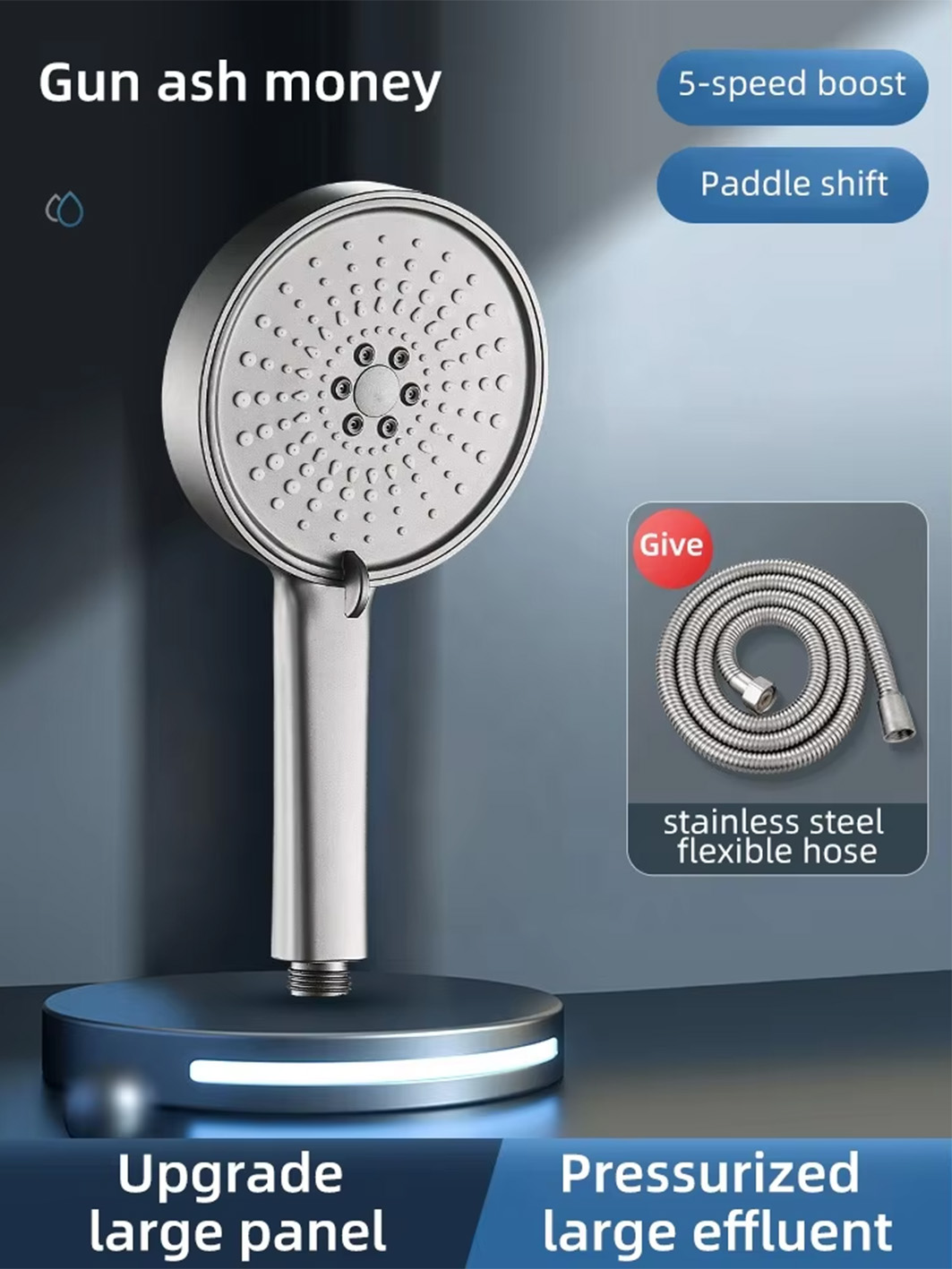
hand held shower head

hand held shower head

hand held shower head
Step-by-Step Cleaning Instructions
Step 1: Remove the Handheld Shower Head
Start by detaching the handheld shower head from its hose or wall mount. Depending on the model, you may need to unscrew it by hand or use adjustable pliers wrapped in a soft cloth to avoid scratching the finish. If your hand held shower is part of a fixed system, check if the nozzles can be cleaned while attached. However, removal typically allows for a more thorough clean.
Step 2: Prepare a Cleaning Solution
Fill a bowl or container with equal parts white vinegar and warm water. White vinegar is a natural descaling agent that effectively dissolves mineral buildup without damaging the silicone or internal components. For tougher deposits, you can use undiluted vinegar. Avoid harsh chemicals like bleach or abrasive cleaners, as they may degrade the silicone or finish of your high pressure handheld shower head.
Step 3: Soak the Shower Head
Submerge the nozzle face of the hand held shower head in the vinegar solution. Ensure the silicone nozzles are completely covered. Let it soak for 30–60 minutes. If your shower head has heavy limescale, you may extend the soaking time up to two hours. For a handheld shower head with metal or plastic accents, avoid prolonged soaking of non-silicone parts to prevent corrosion.
Step 4: Scrub the Nozzles Gently
After soaking, use a soft-bristled toothbrush or a dedicated nozzle brush to gently scrub the silicone tips. The deposits should soften and dislodge easily. Avoid using sharp objects like pins or knives, as they can tear the silicone. For a hand held shower with multiple spray settings, rotate the settings dial during cleaning to expose all internal passages.
Step 5: Rinse and Test
Rinse the hand held shower head thoroughly under running tap water to remove any remaining vinegar and loosened debris. Reattach it to the hose or mount, and turn on the water to test the spray pattern. If some nozzles remain clogged, repeat the soaking process or manually flex the silicone tips with your fingers to encourage water flow.
Maintenance Tips for Long-Term Performance
Regular Wiping: After each use, briefly run cold water through your handheld shower head and wipe the nozzles with a dry cloth to reduce residue buildup.
Water Softener Consideration: If you live in a hard water area, installing a water softener can minimize mineral accumulation in your high pressure handheld shower head.
Preventive Cleaning: Incorporate cleaning into your monthly bathroom maintenance routine to avoid severe blockages.
Check for Wear: Inspect the silicone nozzles periodically for cracks or deformation, especially on older hand held shower models, and replace the shower head if necessary.
Troubleshooting Persistent Issues
If your hand held shower head continues to have poor water flow after cleaning, check the hose or water inlet for obstructions. Sediment can also accumulate in the hose or connecting points. Unscrew the hose and rinse it separately, or use a thin wire to clear the inlet screen. For a high pressure handheld shower head, ensure that the pressure settings are not accidentally adjusted to a low-flow mode.
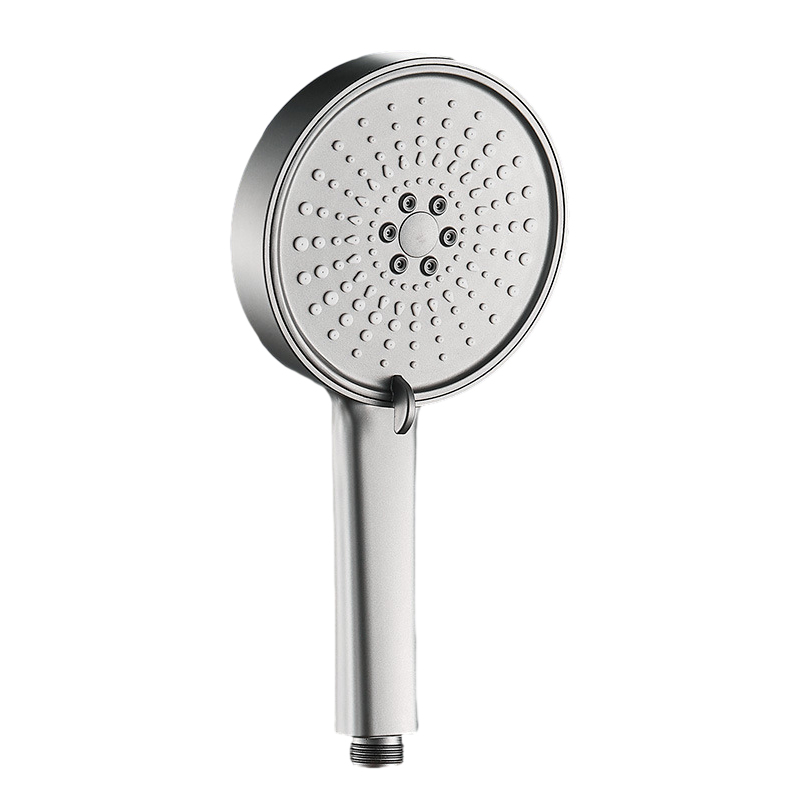
hand held shower
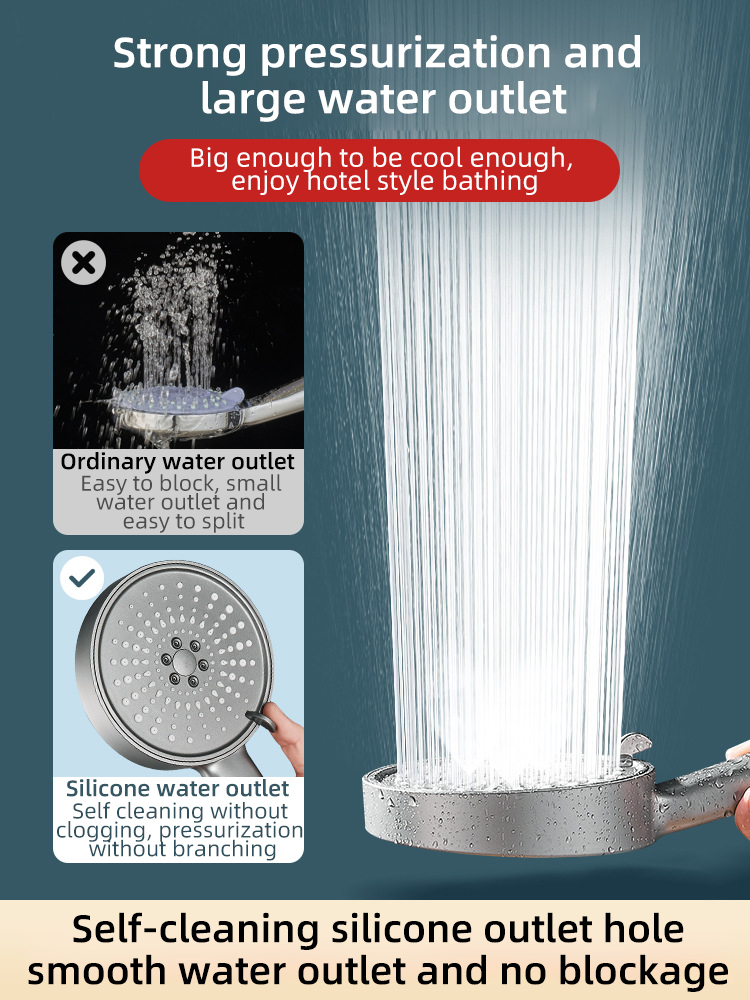
hand held shower head
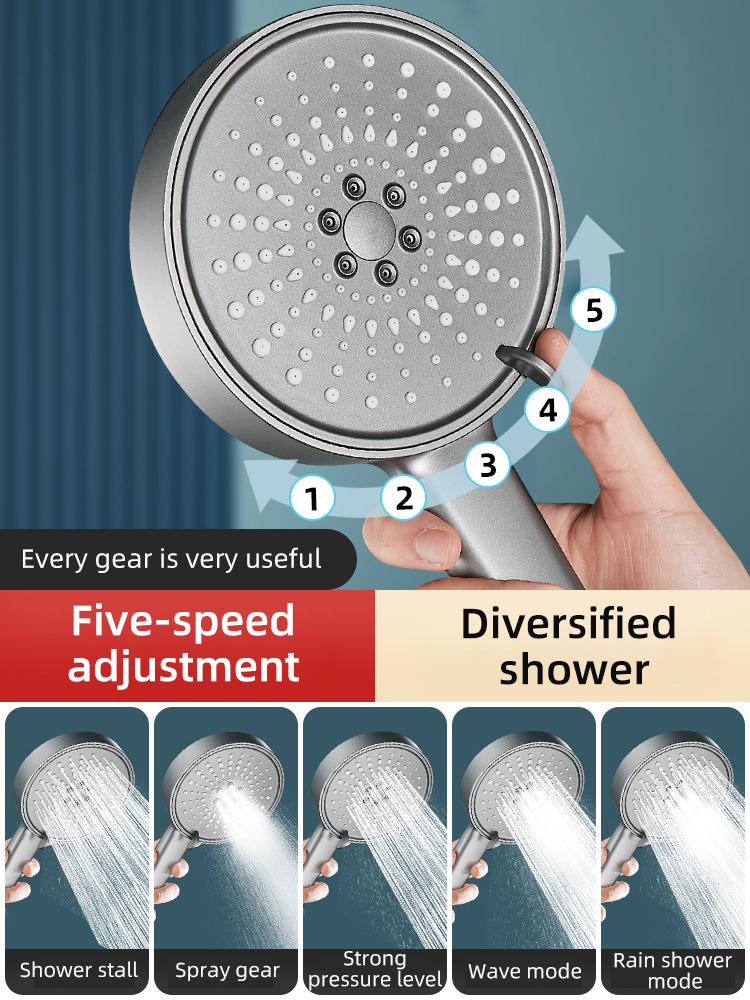
hand held shower head
Cleaning the silicone water outlet holes of your handheld shower head is a straightforward process that can significantly enhance your daily shower experience. Whether you use a standard hand held shower or a specialized high pressure handheld shower head, consistent maintenance prevents clogs, preserves water pressure, and extends the product’s life. By following these simple steps—soaking in vinegar, gentle brushing, and rinsing—you can keep your hand held shower head functioning like new. Remember, a well-maintained shower head not only improves performance but also contributes to water efficiency and overall bathroom hygiene.
